Botanical Spirits

Still and distilled — composed for the cocktail glass.

Distilled, macerated, aged — the maker's craft, complete, with the alcohol never part of it. Three shelves hold the room: the classic silhouettes, the garden, and the pour that opens the evening. Every bottle chosen for what it does, not for what it stands in for.

Every bottle here carries its Reading.

Four axes, read on the four petals of the mark. Nose — what rises to meet you. Arc — how it travels across the palate. Weight — what it feels like in the mouth. Stay — what remains, and for how long. Not a grade; a location. We do not score. We read.

The Garden

For the Martini, the Negroni, the spirit-forward serve. Amethyst distills the garden — botanicals, fruits, peppers — four expressions, each a different idea of it. Blueberry Ginger Mint, the bright pour. Watermelon Lime, the warm afternoon. Lemon Cucumber Serrano, the cocktail with a spine. Grapefruit Basil, the slow aperitivo. Small batches, made in the United States.

Aperitifs

The pour that opens the evening. Amaro Liborio, in the Italian bitter line. Babylon Spritz, from Haus of Babylon — saffron, rose, and citrus, out of the kitchens of the Levant. Both made for the hour before the table.

Restoratives

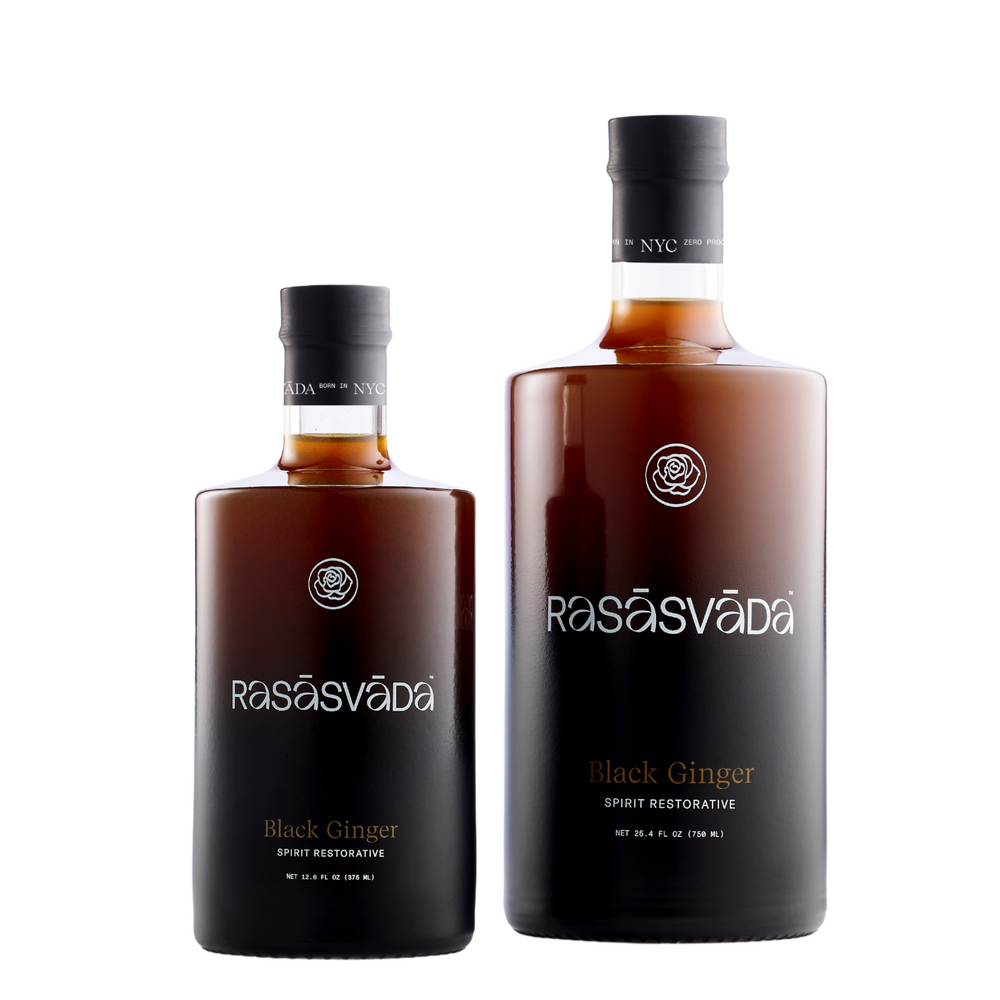
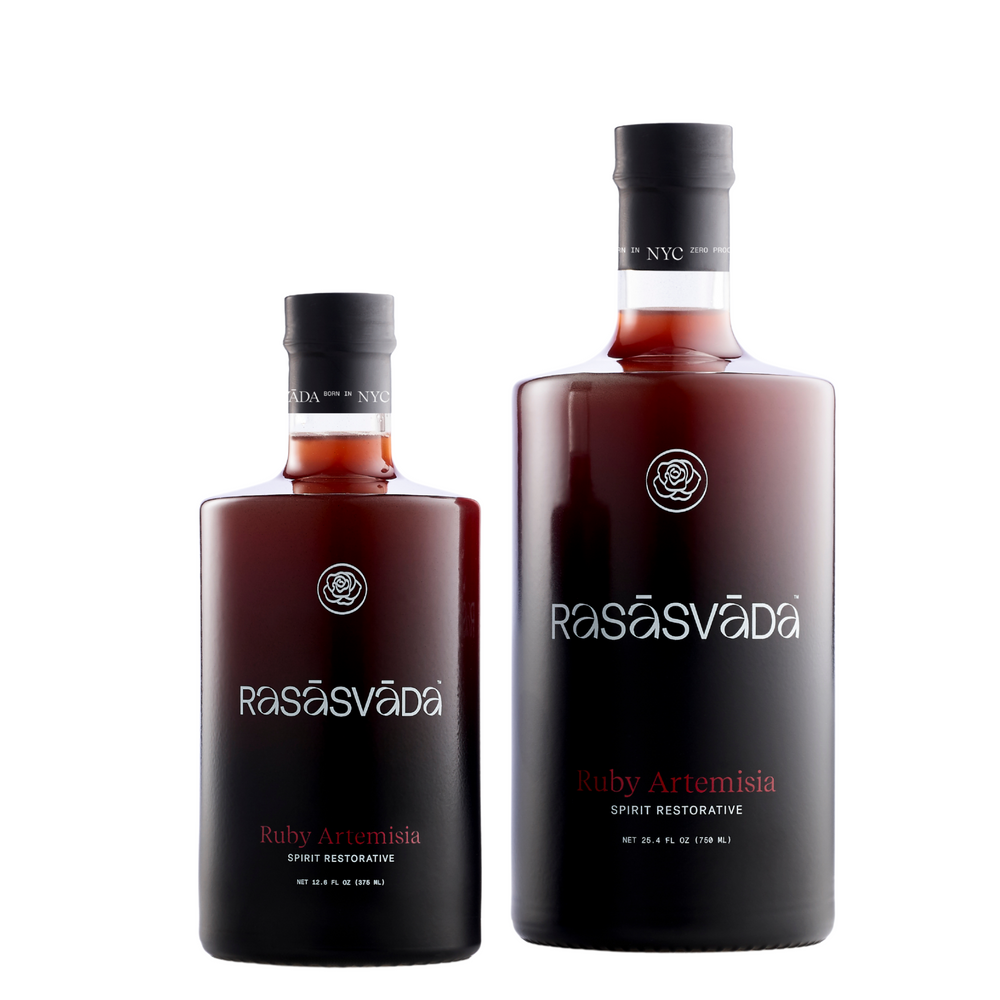
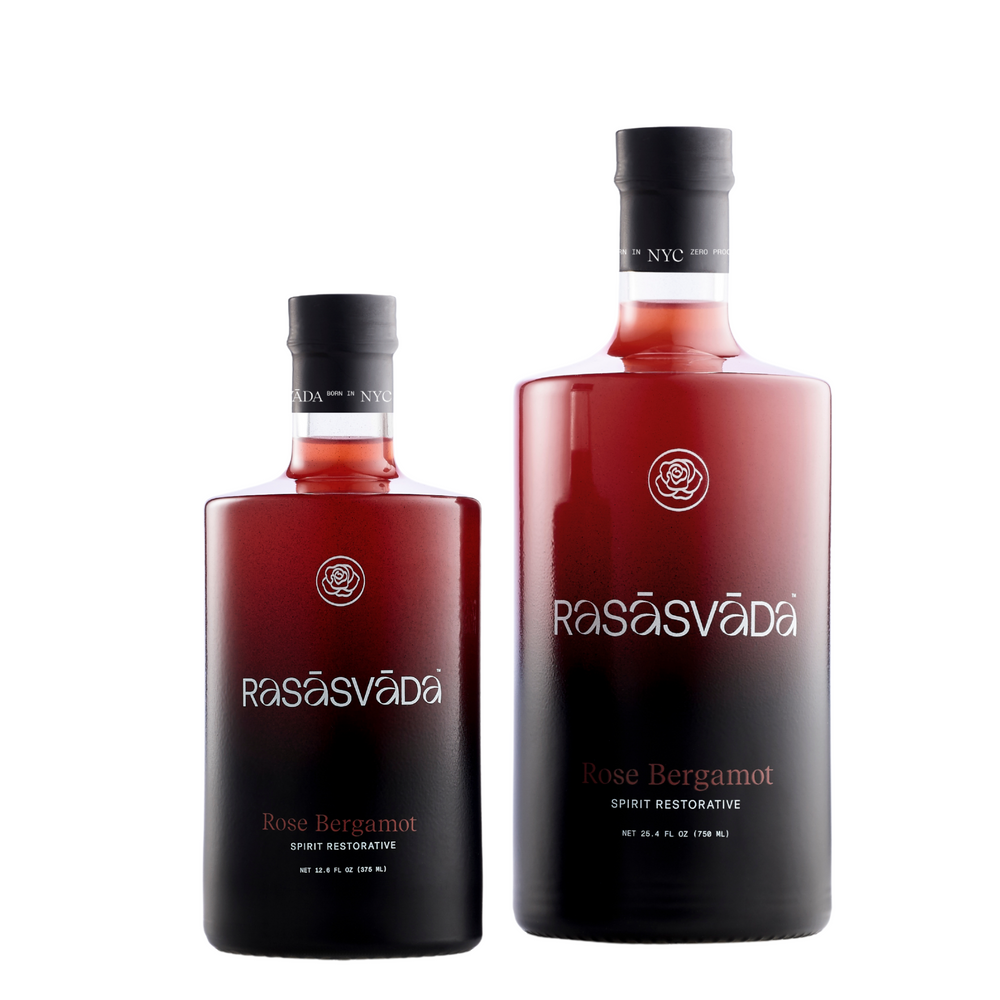
After the day, in the quiet between. The bitter, the steep, the tonic taken with intention — the oldest pour we know. Rasāsvāda holds the shelf alone: three botanical expressions, made for exactly that hour.